Culture · Kampong Glam
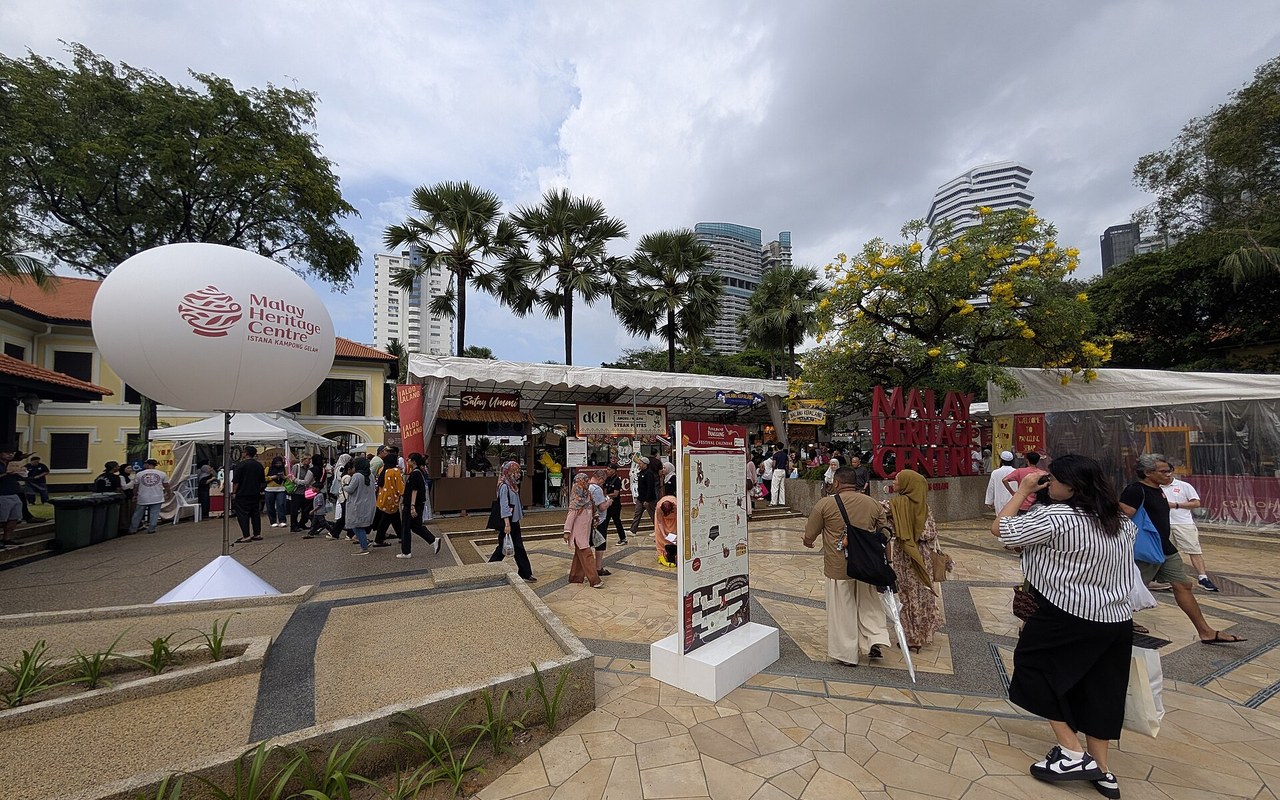
The palace was built in the 1840s and was once the Johor Sultan's residence in the east; it became a heritage centre in 2005. The narrative starts with maritime trade in the Malay world - in the 19th century Kampong Glam was a port quarter for pilgrims and traders, with Bugis, Javanese and Arab communities living side by side.
The collection includes old photographs of Kampong Glam, traditional dress such as baju kurung and kebaya, wayang kulit puppets and gamelan instruments. There are workshops upstairs - batik, drumming - for a fee. The old trees in the courtyard and the palace facade are worth a photograph on their own.
At S$8 it is one of the cheapest museums in the city and takes an hour. Its value is location: the Sultan Mosque is to the right (free, mind prayer times and dress), Haji Lane and Arab Street to the left, and the whole district is a living Malay-Arab cultural belt.